
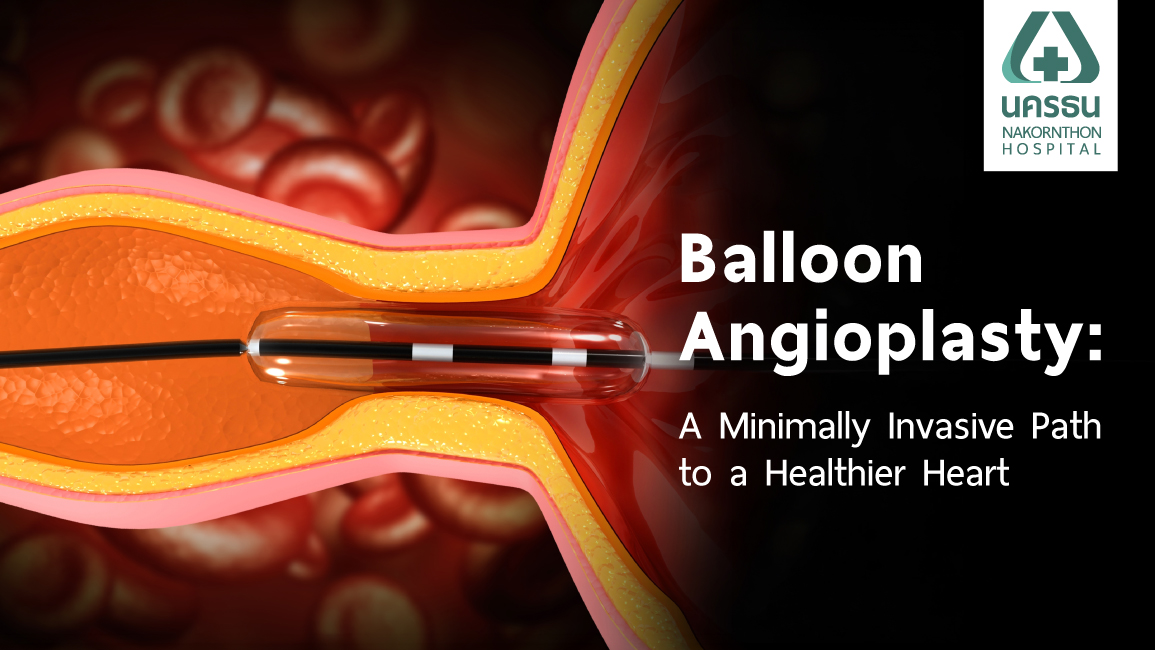
Coronary artery disease often develops silently for years before causing chest pain, shortness of breath, or a heart attack. Recognizing the warning signs early and seeking timely care can save your life. At Nakornthon Hospital, balloon angioplasty offers a minimally invasive way to restore blood flow and protect your heart without open-heart surgery.
These are some of the common afflictions of modern urban life that most people shrug off as "just part of getting older" or "the price of being busy." However, these everyday habits and conditions can set the stage for coronary artery disease (CAD), one of the leading causes of death worldwide.
CAD usually develops slowly, lurking in the background before any warning signs appear. Recognizing coronary artery disease symptoms and seeking timely care can prevent a heart attack and protect your long-term health.
At Nakornthon Hospital, advanced blocked arteries treatment options like the balloon angioplasty procedure can restore blood flow without the need for open-heart surgery, resulting in a faster recovery and a healthier you.
Table of Contents
- What Is Coronary Artery Disease?
- Coronary Artery Disease Symptoms You Should Never Ignore
- Who Is at Higher Risk of Coronary Artery Disease?
- What Is Balloon Angioplasty?
- How Does Balloon Angioplasty Work?
- How Should I Prepare for Balloon Angioplasty?
- What to Expect During Recovery at Home
- Who Is a Good Candidate for Balloon Angioplasty?
- Key Benefits of Balloon Angioplasty
- Your Heart Health Matters: Comprehensive Care at Nakornthon Hospital
- Frequently Asked Questions About Coronary Artery Disease Symptoms and Balloon Angioplasty
- Free Online Consultation with a Specialist
What Are the Earliest Symptoms of Lung Cancer?
Coronary artery disease develops when the arteries that supply blood to your heart muscle become narrowed or hardened. This happens as plaque made up of cholesterol, fat, calcium, and other substances builds up along the artery walls.
As this plaque thickens, less oxygen-rich blood can reach the heart, forcing it to work harder while receiving less of what it needs. Over time, reduced blood flow can lead to angina, a heart attack, irregular heart rhythms, or even heart failure if it is left untreated.
CAD is the most common type of heart disease, and understanding how it develops is the first step toward protecting yourself.
Coronary Artery Disease Symptoms You Should Never Ignore
Many people do not realize they have CAD until a serious event occurs. In certain cases, there may be no symptoms at all until a heart attack occurs (a condition known as silent CAD).
However, the body often gives subtle warnings. Pay close attention if you experience any of the following coronary artery disease symptoms:
- Chest pain, pressure, tightness, or a burning sensation, often referred to as angina, which is usually triggered by physical exertion or emotional stres
- Pain that radiates from the chest to the shoulders, arms, neck, jaw, or back
- Shortness of breath during everyday activities such as climbing stairs or walking
- Unusual fatigue, lightheadedness, or cold sweats with no clear cause
- Nausea or indigestion-like discomfort, which is more commonly reported by women
If you notice any of these symptoms, do not wait. Early evaluation by a cardiologist can make all the difference between prevention and a medical emergency.
Who Is at Higher Risk of Coronary Artery Disease?
While anyone can develop CAD, certain factors significantly raise your risk:
- Men aged 45 and older and women aged 55 and older, simply due to age
- Smokers, who face a significantly elevated risk
- People with high blood pressure, high cholesterol, or diabetes
- Those with a family history of early heart disease, even with a healthy lifestyle
- A sedentary routine, obesity, and chronic stress all of which add to the risk
Many of these risk factors are modifiable. Quitting smoking, managing your weight, eating a heart-healthy diet, and staying active can reduce your risk of CAD.
What Is Balloon Angioplasty?
When lifestyle changes and medication are not enough to manage stubborn blockages, your cardiologist may recommend a balloon angioplasty procedure, also known as percutaneous coronary intervention or PCI. This minimally invasive treatment opens up narrowed or blocked coronary arteries to restore healthy blood flow to the heart. Balloon angioplasty offers a smoother recovery than traditional bypass surgery because it avoids large incisions and general anesthesia.

How Does Balloon Angioplasty Work?
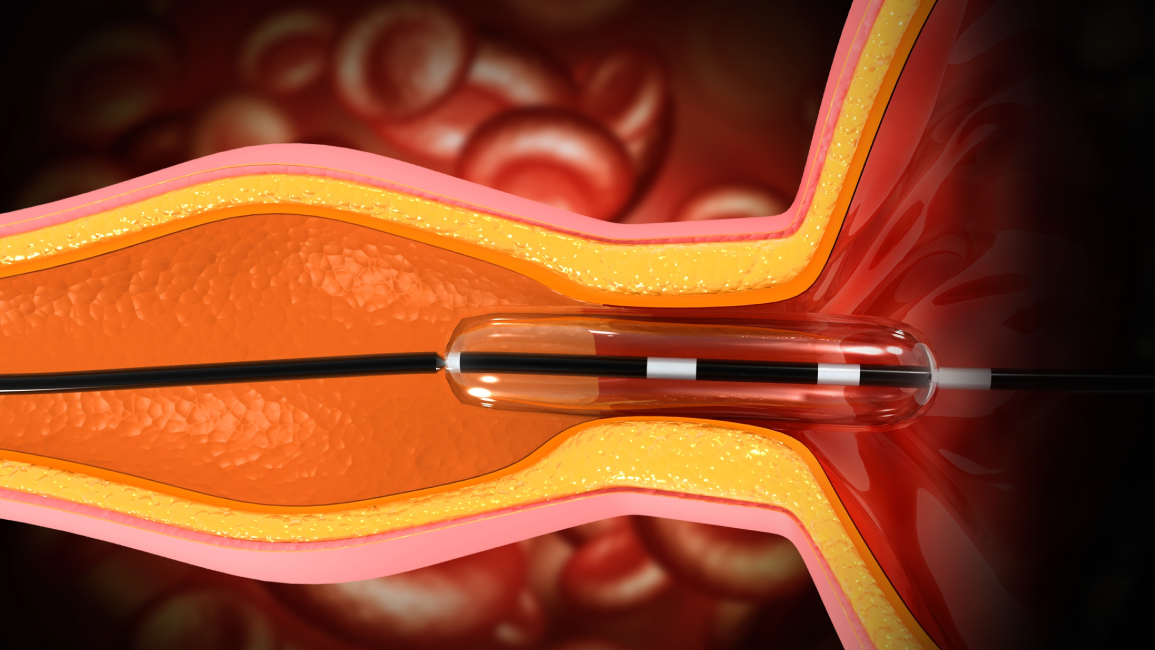
A balloon angioplasty with stent placement is a minimally invasive procedure where a small balloon is inflated inside a blocked artery to compress plaque and restore blood flow.
A slender, pliable catheter with a small, deflated balloon on its end is guided into your body through a minor opening in your wrist or groin during the process. Using real-time imaging, the catheter is meticulously guided to the coronary artery blockage.
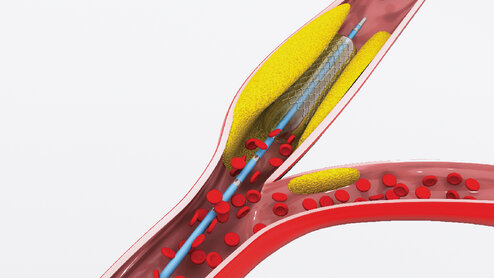
Once in position, the balloon is gently inflated to compress the plaque against the artery wall, widening the passage and allowing blood to flow freely again.
In most cases, a small mesh tube called a stent is then placed to keep the vessel propped open. The procedure typically takes about 30 minutes to 2 hours, depending on the quantity and severity of the blockages.
How Should I Prepare for Balloon Angioplasty?
Preparation is straightforward but important. Your cardiologist will typically ask you to:
- Fast for at least 4 to 8 hours before the procedure, taking only sips of water if needed for medication
- Inform your doctor of all medications you are taking, especially blood thinners, aspirin, and diabetes medications, as some may need to be paused
- Mention any allergies, particularly to contrast dye, iodine, or shellfish
- Arrange for someone to drive you home, as you should not drive immediately after the procedure
- Wear comfortable clothing and remove jewelry, contact lenses, or dentures before the procedure begins
Our care team at Nakornthon will walk you through every step, answer your questions, and make sure you feel fully prepared on the day of your treatment.
What to Expect During Recovery at Home
Recovery from balloon angioplasty is quick, but the first few weeks are critical for healing and the long-term success of the procedure. Light activities can usually be resumed within a few days, with most patients returning to work within about a week if their job is not physically demanding.
- Stay gently active: Walking is encouraged early on to support circulation and healing.
- Avoid strenuous activity: Skip heavy lifting and intense exercise for at least one to two weeks, or as advised by your cardiologist.
- Take medications as directed: Antiplatelet drugs like aspirin help prevent clots around the stent and must be taken exactly as prescribed.
- Follow your long-term care plan: Statins and blood pressure medications may also be prescribed to protect your heart.
- Care for the access site: Keep your wrist or groin clean and dry, and watch for unusual bruising, swelling, or bleeding.
- Know when to call your team: Contact your care team immediately if you notice issues at the access site or experience chest pain, shortness of breath, or unusual symptoms.
- Commit to heart-healthy habits: Attend all follow-ups and embrace a balanced diet, regular exercise, and stress management for lasting results.

Who Is a Good Candidate for Balloon Angioplasty?
Balloon angioplasty is well-suited for:
- Patients with significant blockages causing angina, shortness of breath, or reduced quality of life.
- Those who are experiencing a heart attack or are at high risk of one. In such cases, this procedure becomes critical.
- Patients who prefer a less invasive alternative to bypass surgery.
- Cases where blockages are accessible and suitable for stenting.
Key Benefits of Balloon Angioplasty
The advantages of choosing balloon angioplasty include:
- No large surgical incisions and no need for general anesthesia.
- Less pain and reduced surgical risk compared to open-heart surgery.
- Faster recovery, with most patients returning home within one to two days
- Can be safely repeated if blockages return in the future.
Your Heart Health Matters: Comprehensive Care at Nakornthon Hospital
At Nakornthon Hospital, we believe that every heartbeat counts. The Heart Center offers advanced diagnostic and interventional cardiology services, including the balloon angioplasty procedure, which is most often performed as balloon angioplasty with stent placement for long-lasting results. Our experienced cardiologists use modern cardiac imaging technology to deliver accurate, effective care. What sets our care apart includes:
- A dedicated team of expert cardiologists, cardiac nurses, and a multidisciplinary support team experienced in caring specifically for heart disease patients.
- A modern cardiac catheterization laboratory, fully equipped operating rooms, and a standardized cardiac intensive care unit.
- 24-hour heart care services, including a Cardiac Care Unit ready to respond to urgent and emergency cases.
- Personalized care for international patients, with end-to-end support throughout your treatment journey.
From your first consultation through diagnosis, treatment, and personalized post-procedure recovery, our multidisciplinary team is with you every step of the way.
Do not wait for warning signs to become emergencies. If you or a loved one is experiencing symptoms of coronary artery disease or has been told you have blocked arteries, our team is ready to help. Make an appointment with the Heart Center at Nakornthon Hospital today to discuss your treatment options.
Contact & Appointments - Heart Center
- Facebook Fanpage: Nakornthon Hospital - International Patient
- LINE Official: @nakornthoninter
- Open: Daily, Monday to Sunday, 7:00 AM to 8:00 PM
- Tel: 02-450-9999 1074-1075
Frequently Asked Questions About Coronary Artery Disease Symptoms and Balloon Angioplasty
-
Q: What are the first warning signs of coronary artery disease?
A: The earliest signs often include chest pain or pressure during activity, shortness of breath, unusual fatigue, and pain that radiates to the arms, jaw, or back. Some people, particularly women, may experience nausea or indigestion-like discomfort instead of classic chest pain. Because CAD can also progress silently, regular heart screenings are important if you have risk factors such as high blood pressure, diabetes, or a family history of heart disease.
-
Q: Do I need to fast before balloon angioplasty?
A: Yes. Most patients are asked to fast for at least 6 to 8 hours before balloon angioplasty, taking only sips of water with essential medications if your cardiologist approves. Fasting reduces the risk of nausea or aspiration during sedation. Your care team will give you specific instructions based on the timing of your procedure and any medications you regularly take, including diabetes medications and blood thinners.
-
Q: Is balloon angioplasty a major surgery?
A: No, balloon angioplasty is a minimally invasive procedure rather than a major surgery. It is performed through a small puncture in the wrist or groin and does not require large incisions or general anesthesia. Most patients are awake during the procedure with mild sedation, and recovery typically takes only one to two days, compared to several weeks for open-heart bypass surgery.
-
Q: How long does it take to recover from balloon angioplasty with stent placement?
A: Most patients can go home within one to two days after balloon angioplasty with stent placement. Light activities can usually be resumed within a few days, and many people return to work within a week. Your cardiologist will provide a personalized recovery plan that includes medications, lifestyle adjustments, and follow-up appointments to ensure the artery remains open and your heart stays healthy.

Free Online Consultation

Article of Heart Center

.jpg)